
General information resource

Light movement can live inside a normal American workday.

Stunningvitavibr publishes general information about light physical activity during the day, with examples shaped around office schedules, errands, home routines, and everyday pacing. The site is informational only and should not be treated as medical or emergency guidance.

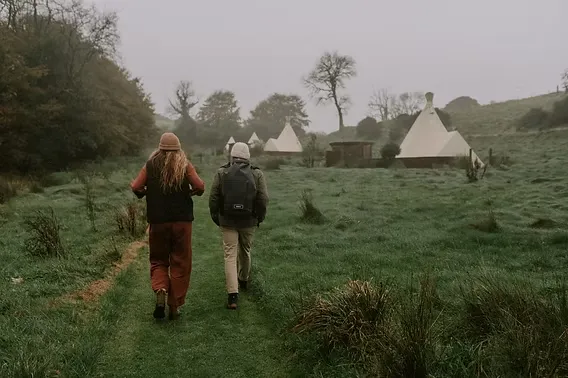
Why this project exists

The project started with a simple observation: plenty of people do not need performance culture. They need useful ideas that fit work, school pickups, errands, and shared spaces.

Built for realistic days

The material here avoids pressure and broad promises. Some suggestions will feel natural, some will not, and a useful site should make room for that.

Daily context

What often shapes movement in the United States

Commute time, desk-based work, school schedules, errands by car, and long afternoon stretches all change how people fit in light activity. That context drives the way this site is written.

Editorial choice

Why the site uses “light activity” instead of hype

The phrase leaves room for walking, posture changes, simple mobility, brief standing breaks, and other ordinary movement that may be easier to keep in a full day.

Reference sheet

How to read the material on this site

  1. Start with your actual schedule, not an ideal one.
  2. Pick one opening in the day that already exists.
  3. Use the examples as general reference, then scale them to comfort, time, and space.
Short format

Many examples stay under ten minutes because that is often what people can actually use between calls, pickups, and household tasks.

Mixed content

We use checklists, notes, scenario guides, and pseudo-documents instead of repeating one polished landing-page formula.

How it works

A simple path from reading to trying something small

There is no member pressure or timed funnel here. The process is intentionally ordinary.

1

Read a context note

Choose a page based on where movement tends to fade in your day: work blocks, driving, errands, or evenings at home.

2

Use a small pattern

Try one small example, such as a standing reset, a hallway walk, or a slower home-based mobility sequence.

3

Keep only what feels usable

If it adds friction, scale it down or skip it. Practical consistency usually depends on context, not enthusiasm alone.

What “light activity” means on this site

We use the term broadly. It can include walking, mobility work, posture changes, room-to-room movement, gentle bodyweight patterns, or any calm physical action that can be woven into ordinary routines. The tone stays conservative and informational on purpose.

Practical limits

Some workplaces do not allow frequent breaks. Some people share space, commute long distances, or work unpredictable schedules. Real constraints belong in the content.

Site disclaimer

This website provides general information only. It does not offer medical, diagnostic, treatment, or emergency guidance.

Interactive section

Pick a setting and see the site’s editorial approach

These notes are not recommendations. They show how the same idea is described differently depending on context.

Office day

A short standing reset may fit better between meetings than a longer routine that asks for changing clothes, equipment, or a separate location.

Interactive examples

Sort movement ideas by the kind of day you are having

These are example formats, not requirements. Use the filter to see how pacing can change depending on energy, time, and available space.

Between-call reset

Stand, change rooms, stretch calves, refill water, then return. The point is interruption, not intensity.

Parking lot extension

Use one longer walking segment before or after a routine stop when time allows and conditions feel appropriate.

Kitchen counter mobility

A slower sequence while dinner is in the oven or water is heating, without turning the evening into another task list.

Print-room habit

Use one required office errand as a deliberate movement break instead of a rushed back-and-forth trip.

Content standards

How we keep the site readable and ad-safe

  • No guaranteed outcomes or exaggerated claims.
  • No fear-based language, pressure tactics, or urgency hooks.
  • General information only, with visible limitations.
  • Contact details, policies, and business identity remain easy to find.

Questions and answers

Common questions, answered in plain American English

The site is intentionally straightforward. These answers explain scope, limits, and expected use.

Is this a training program?

No. The site contains general educational material and examples of light physical activity during the day. It is not a treatment plan or a guaranteed-results program.

Do I need special equipment?

Most examples do not require equipment. Some optional ideas use a chair, bag, stairs, or available walking space.

Why are there so many disclaimers?

Because clarity matters. The goal is to present helpful general information without overstating what a website can responsibly provide.

Will this website tell me exactly what to do?

No. The site is designed to help users think through options, not to replace personal judgment, licensed advice, or common-sense limits.

Need a human reply?

Use the contact page for general questions about the site.

We can answer general questions about site sections, privacy requests, accessibility feedback, or how the materials are organized.