Site guide
How to use the material without turning it into pressure.
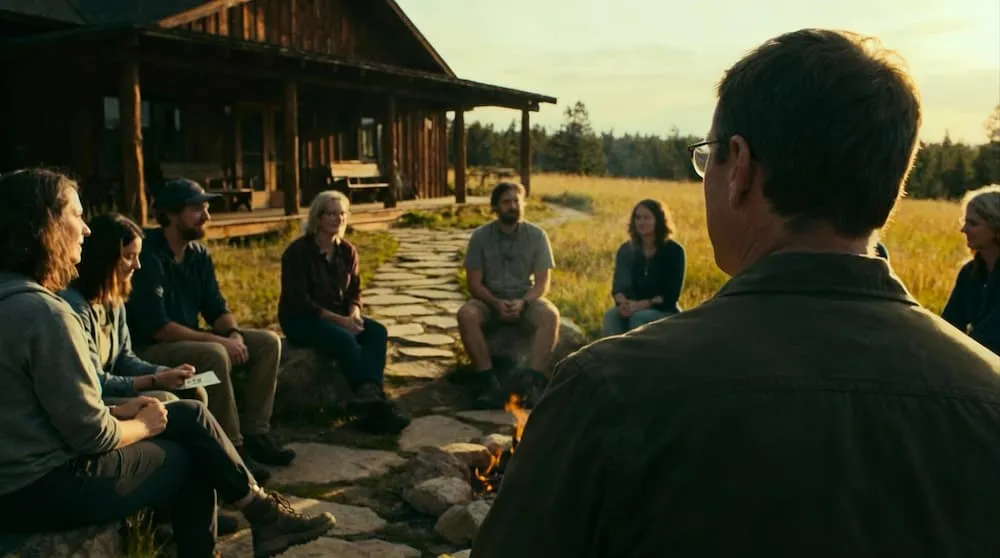
The guide explains the structure behind the project, what the site can help with, and where its responsibility ends.

Site guide
The guide explains the structure behind the project, what the site can help with, and where its responsibility ends.
You read a context page, select one example that seems realistic, and adapt it to the day you already have. The site works best as a reference point, not as a strict schedule.
Because environment, mobility, time, workload, and personal considerations vary widely. A responsible site should state those boundaries clearly.
People looking for neutral, general information about light daytime movement, especially when high-intensity messaging feels irrelevant or excessive.
All information on this website is general in nature. It is not medical, diagnostic, or emergency information.
Content logic
Home introduces the editorial model. Day Plans show examples. About explains the business context. Contact gives a direct path for questions, privacy requests, and accessibility feedback.
Trust signals
Clear policies, visible contact details, a mapped address, and neutral language help show that the website is a real business project rather than a disposable ad page.
Some users scan quickly, others read closely. We mix shorter blocks, lists, notes, and cards so neither style is forced.
The contact page is for general site questions, privacy requests, accessibility feedback, and content organization matters. It is not an emergency or treatment channel.
Because real editorial projects often have edge, variation, and sections that do not resolve into a perfect marketing template. That was intentional here.